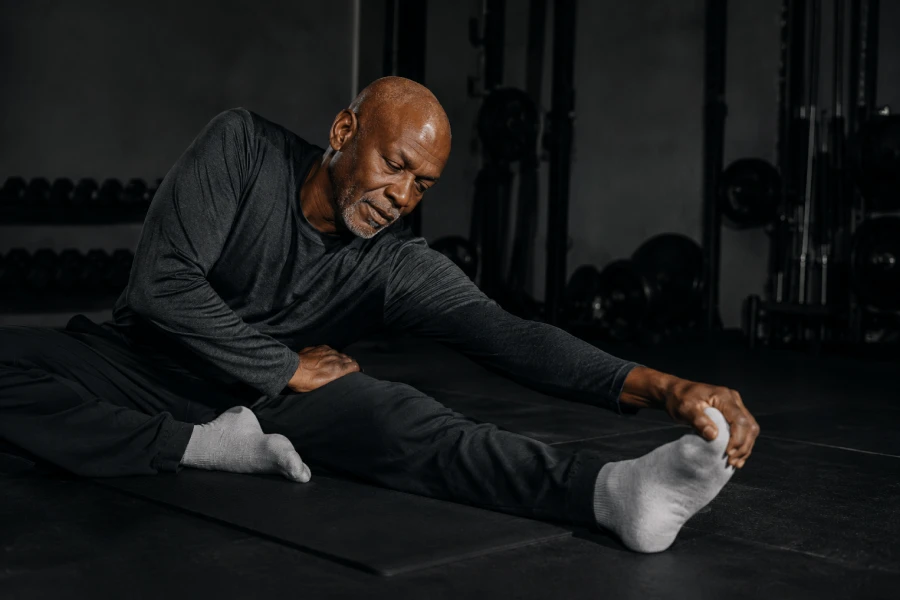
Gentle stretching for recovery begins with listening rather than forcing. After training, travel, desk work, or an unusually demanding day, the body may feel guarded and compressed. Aggressive movement can turn that discomfort into another challenge to overcome. A softer approach creates a different experience. Slow positions, easy breathing, and shorter ranges invite the nervous system to settle while you notice what feels useful. The goal is not to prove flexibility. It is to restore a sense of space and ease. This mindset makes stretching more approachable for beginners and more sustainable for experienced exercisers. Recovery becomes a conversation with the body instead of a contest against it.
Recovery work should reduce strain, not add another performance demand. An easy stretch allows you to breathe smoothly and leave the position without bracing. Mild tension can feel productive, but sharp pain, numbness, or joint pressure signals a need to stop or adjust. Begin with a smaller range than you think you need. Give the body time to respond before moving deeper. This patience often reveals that comfort improves without force. A structured recovery stretching resource can provide simple options while preserving personal choice. The best sequence is not the most impressive one. It is the sequence that helps you finish feeling calmer, more mobile, and more connected to your body.
Fast transitions can hide useful information. When you move slowly, you notice which areas feel restricted and which positions create relief. That awareness helps you choose movements based on the day you actually had. A long commute may call for chest, neck, and hip attention. A lower-body workout may make calves, hamstrings, and glutes feel more relevant. Breathing adds another layer because a steady exhale can reduce unnecessary effort. Pause long enough to feel whether the position is improving. If tension increases, shorten the range or change direction. Slow movement does not make the routine less effective. It makes the routine more responsive, which is often what recovery needs most.
The minutes after exercise can support a gradual transition from effort to rest. Begin by walking or moving lightly until breathing settles. Then choose a few areas that worked hard rather than stretching every muscle in the body. Hold comfortable positions briefly and avoid bouncing. You can repeat a stretch if the second round feels easier, but there is no need to chase intensity. A post-workout recovery sequence may help organize upper-body release and lower-body reset options. The routine should match the training session and your current energy. A demanding workout does not require a demanding stretch. Often, a simple downshift creates the most useful ending.
Rest days do not have to mean complete stillness. Light movement can help you check in with areas that feel stiff after yesterday’s activity. Keep the session brief and comfortable, especially if soreness is present. Gentle spinal rotations, supported hip positions, ankle circles, and relaxed shoulder movements can create variety without turning recovery into another workout. Move through ranges that feel available today. Some days will feel open, while others call for smaller motions. That variation is normal. A rest-day routine can also become a calming ritual before sleep or after work. The value comes from regular attention, not from reaching a particular shape or holding a pose for an exact duration.
A beautifully designed routine has little value if it feels too complicated to begin. Consistency grows when the sequence is short enough for ordinary days. Choose three or four movements that address common tension areas. Keep a mat, strap, or towel where you can see it. Attach the routine to an existing cue, such as finishing a workout or closing the laptop. A stretch reminders system can support the habit when schedules change. You can always add variety later. First, make the starting point obvious and the finish line close. A five-minute practice repeated often usually serves recovery better than a long routine saved for a perfect evening.
No sequence fits every body or every day. Previous injuries, mobility differences, training load, sleep, and stress can all change what feels appropriate. Use props to bring the floor closer or reduce effort. A wall, chair, cushion, or folded towel can make a position more comfortable. Shorten holds when fatigue is high. Skip movements that create pain or uncertainty. When symptoms are persistent, severe, or connected to an injury, seek qualified medical or rehabilitation guidance. Personalization is not a compromise. It is the core of safe, useful recovery work. Your routine should respond to feedback and leave room for professional support when the situation requires more than general wellness advice.
A body that feels stuck often needs patience before intensity. Begin with a slow breath, a smaller range, and one movement that feels welcoming. Let the session develop from what you notice rather than from what you planned. Over time, this approach builds trust because recovery no longer feels like another test. It becomes a dependable way to transition after effort, reduce the sense of accumulated tension, and reconnect with ordinary movement. Keep the routine simple enough to repeat and flexible enough to change. The most meaningful progress may be subtle: easier posture, calmer breathing, or less resistance to beginning. Those small shifts can make recovery feel genuinely restorative.



Leave a comment