
Daily mobility for sore muscles matters even when the soreness did not begin with exercise. Long meetings, driving, household work, travel, and repetitive tasks can all leave the body feeling restricted. A short movement practice helps you respond before stiffness becomes the day’s background setting. The goal is not to achieve extreme flexibility or complete a demanding routine. It is to explore comfortable ranges, restore variety, and notice what your body needs. Small movements can fit between ordinary responsibilities, which makes them easier to repeat. When mobility belongs to daily life rather than a special fitness event, recovery becomes more accessible. You create frequent opportunities to feel better without waiting for perfect conditions.
Muscles can feel sore or tight after many kinds of load. Holding one posture for hours may be as noticeable as a difficult workout. Emotional stress can also change breathing and increase the sense of tension. Mobility offers a low-pressure way to interrupt that pattern. Shoulder circles, gentle rotations, supported bends, and easy hip movements introduce options without demanding intensity. A gentle mobility routine can organize these choices into a sequence that feels approachable. The benefit comes from responding to the body’s current state. You are not trying to erase every sensation. You are creating movement where stillness has become excessive and awareness where tension has become automatic.
Range of motion changes from day to day. Sleep, stress, temperature, training, and previous injuries can all influence what feels available. Treating mobility as a score encourages pushing when the body may need patience. Instead, compare the beginning and end of the same session. Does turning feel smoother? Can you breathe more comfortably? Has the sense of resistance changed? These questions are more useful than reaching a fixed position. Avoid bouncing or forcing through pain. Support the body with a chair, wall, cushion, or towel when needed. A good mobility session leaves you more confident in movement. It should not leave you worried that you failed to match an ideal shape.
Desk routines work best when they are subtle enough to use during real workdays. Begin with posture changes rather than a dramatic sequence. Place both feet on the floor, shift your weight, and let the shoulders move through easy circles. Turn the head gently within a comfortable range. Stand during a call or walk briefly after completing a task. These actions restore variety without requiring workout clothes or extra equipment. A desk tension recovery plan can help connect movement with common work transitions. The practice should reduce disruption, not create it. One minute used several times may feel more valuable than waiting all day for a longer session that never happens.
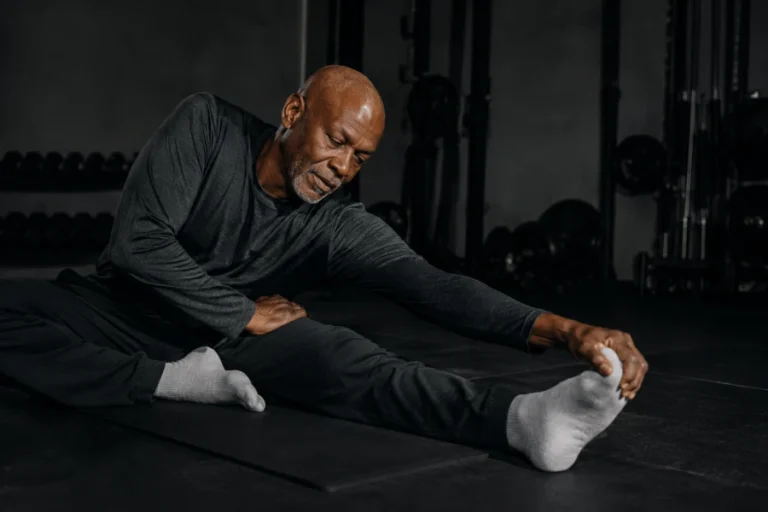
Evening mobility can create a boundary between accumulated effort and rest. Choose movements that feel settling rather than energizing. Supported floor positions, gentle spinal motion, ankle circles, and relaxed shoulder work can help you slow the pace. Keep the sequence short if fatigue is high. Dim lighting, quiet music, or slower breathing may make the ritual easier to enjoy. Avoid treating the session as a final task that must be completed perfectly. It is an opportunity to check in. Some evenings will call for movement, while others may need simple rest. The routine remains useful because it offers options. Recovery improves when your plan respects the difference between helpful activity and additional demand.
Mobility progress often appears in ordinary moments. Reaching a shelf feels easier. Turning while driving requires less effort. Standing after a meeting feels less abrupt. These changes may arrive gradually, which makes them easy to overlook. Brief notes can help you recognize patterns. Record where you felt restricted, what movement you tried, and how the area responded. A personalized stretch sequence can evolve from those observations. Keep movements that repeatedly feel useful and remove those that add confusion or discomfort. The aim is not a perfect body. It is a more comfortable baseline for the activities that shape your actual day.
Consistency depends on making the routine easy to begin. Choose one cue that already happens every day, such as closing the laptop, starting the kettle, or changing clothes after work. Link two or three movements to that cue. Keep equipment visible if you use it. Create a standing version for small spaces and a floor version for home. When travel or illness interrupts the plan, return with the smallest version. This prevents the habit from feeling lost. You can add duration when energy allows, but the minimum should remain clear. A routine survives because it offers a simple next step. The ability to resume matters more than an unbroken streak.
Mobility belongs wherever life creates repeated positions and accumulated tension. You do not need a gym, a long session, or a dramatic goal. You need comfortable movement, regular cues, and permission to adjust. Start with one area that often feels restricted and explore a few easy directions. Notice how breathing and range change without forcing. Repeat the practice during a natural transition tomorrow. Over time, those small sessions can become a dependable form of self-observation. They help you respond earlier, move with more variety, and recognize when general wellness strategies are not enough. Persistent or severe pain deserves professional assessment, while ordinary stiffness often benefits from gentle, consistent attention.



Leave a comment