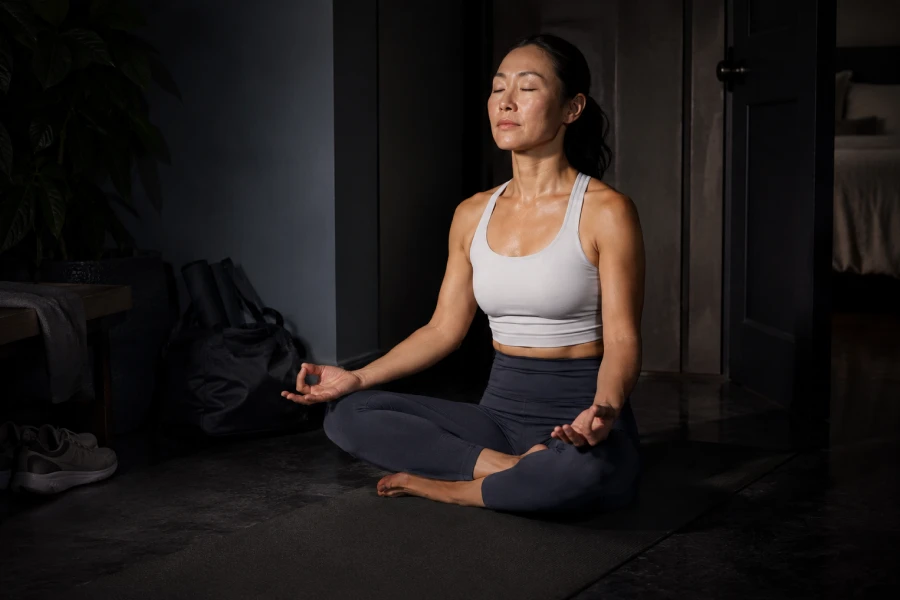
Daily mindfulness for professionals becomes practical when it enters the workday instead of competing with it. The practice can live inside ordinary moments: opening the laptop, joining a meeting, reading a difficult message, or ending the final task. Each moment offers a chance to notice breathing, posture, emotion, and intention before acting. This does not require a retreat from responsibility. It creates a more deliberate way of meeting responsibility. A brief pause can reduce the sense that the day is one continuous reaction. Over time, mindfulness becomes less about formal sessions and more about the quality of attention you bring to choices, conversations, and transitions that already fill the calendar.
The inbox can set an urgent tone before you have chosen a priority. Create a short boundary before opening it. Sit comfortably, feel both feet, and take three slow breaths. Notice any impulse to rush ahead. Then name the most important purpose of the morning in one sentence. A practical mindfulness routine can make this sequence easier to remember. The pause does not make email less demanding. It helps you enter with a clearer internal reference point. When messages begin pulling attention in several directions, you can return to that purpose. Starting with awareness makes the inbox one part of the day rather than the force that defines it.
Presence supports listening, prioritizing, and noticing when attention has drifted. These are practical abilities, not abstract wellness ideals. During a conversation, mindfulness may mean feeling the urge to interrupt and choosing to wait. While writing, it may mean recognizing that several tabs are weakening concentration. Under pressure, it may mean naming frustration before sending a reply. None of these moments require perfect calm. They require enough awareness to create a choice. Professional environments reward speed, yet speed without attention can create rework and misunderstanding. Mindfulness introduces a small amount of space. That space can improve the quality of decisions while preserving momentum and respect for the people involved.
Meetings create many opportunities to practice without anyone noticing. Before speaking, feel one breath. While listening, relax the jaw and return attention to the current speaker. When the discussion becomes repetitive, notice impatience without immediately reaching for another screen. A workplace meditation approach can include these subtle resets. The goal is not to remain serene throughout every agenda. It is to catch attention leaving and bring it back with less judgment. This improves comprehension and makes participation more intentional. You may also notice when a meeting needs clarification, a boundary, or a concrete next step. Awareness supports better engagement because it keeps you connected to what is actually happening.
Shifting priorities can create emotional whiplash, especially when careful plans change without warning. Before reorganizing the entire day, pause long enough to separate facts from reactions. What changed? What remains important? Which deadline is truly fixed? Feel the body while answering these questions. Tension may still be present, but the pause reduces the chance of acting from panic alone. A focus reset can support the transition between the abandoned plan and the new one. Mindfulness does not remove uncertainty. It helps you meet uncertainty with better information. Once the next priority is clear, close unnecessary tabs, communicate changes, and begin with one visible action.
The workday often ends physically before it ends mentally. A closing ritual helps attention leave unfinished loops in a trusted place. Review open tasks, write the next action for each important item, and choose tomorrow’s first priority. Then take one minute to notice breathing and physical tension. This simple sequence combines planning with release. It tells the mind that the work has been captured and does not need constant rehearsal. Close the laptop deliberately and clear one small area of the workspace. The ritual will not eliminate after-hours thoughts, but it creates a stronger boundary. Repeated endings make it easier to return the next morning without carrying the entire previous day forward.
Sustainability comes from attaching mindfulness to work events that already happen. Choose two cues, such as opening the laptop and ending lunch. Keep the practice under two minutes at first. Add longer sessions only when they feel supportive rather than obligatory. Reminders can help, although visible environmental cues may feel less intrusive. A small object near the screen or a note with a single symbol can prompt a breath without adding another notification. Track the habit lightly if useful. When deadlines disrupt the routine, resume at the next cue. A sustainable practice does not depend on uninterrupted success. It depends on the ability to return without turning a missed pause into a personal failure.
Professional mindfulness is not a performance of calm. It is a repeated willingness to notice what is happening before choosing what comes next. That skill can appear in email, meetings, planning, conflict, and the transition home. Start with one pause before the inbox and one pause at the end of work. Keep both brief and specific. Let the practice reveal where attention is most often pulled away. Then make practical changes around those moments. The workday may remain demanding, but it no longer has to feel completely automatic. Awareness gives you a small but meaningful role in shaping the pace, tone, and quality of how you participate.




Leave a comment