
A post workout stretching routine can turn the end of training into a deliberate transition. Many sessions stop abruptly when the final set ends, leaving the body and mind in performance mode. A few calm minutes create a softer landing. The routine does not need advanced poses or a long list of movements. It needs relevance, comfort, and enough simplicity to repeat. Choose areas that worked hard, breathe without strain, and avoid forcing tired muscles into dramatic ranges. This approach respects the effort you already completed. It also helps the session feel finished rather than abandoned. Tomorrow may still bring soreness, but today can end with greater awareness and less unnecessary tension.
Stretching works better when the body has begun moving out of high effort. Walk slowly, shake out the arms, or take several relaxed breaths before holding any position. This brief transition gives your heart rate and attention time to settle. It also helps you notice whether dizziness, unusual pain, or excessive fatigue is present. Once you feel steady, choose a comfortable starting stretch. A mindful stretching approach emphasizes smooth breathing and clear feedback instead of intensity. Downshifting is not wasted time. It creates the conditions for better decisions. When the nervous system feels less rushed, you are more likely to choose movements that support recovery rather than challenge it.
Soreness can provide context, but it should not become a command to stretch harder. Delayed muscle soreness often appears after unfamiliar or demanding activity, and its intensity can vary widely. Gentle movement may feel pleasant, while deep stretching may feel irritating. Test a small range and observe the response. If discomfort becomes sharp, localized, or progressively worse, stop and consider professional guidance. Recovery also includes sleep, food, hydration, and appropriate training volume. Stretching is one piece of that larger picture. Treat soreness as information rather than proof of a successful workout. Your body does not need punishment for working hard. It needs conditions that support adaptation and a sensible return to movement.
A useful sequence reflects what happened during the workout. After running, calves, hips, and the front of the thighs may deserve attention. Upper-body strength sessions may call for chest, shoulders, forearms, and upper back. Full-body training can be followed by a short movement from each major region rather than an exhaustive routine. Keep positions comfortable and balanced on both sides. A lower body reset or upper-body release can provide a starting framework. You do not need to stretch every area equally. Select what feels most relevant, then finish while the routine still feels restorative. Relevance keeps the practice efficient and easier to maintain.
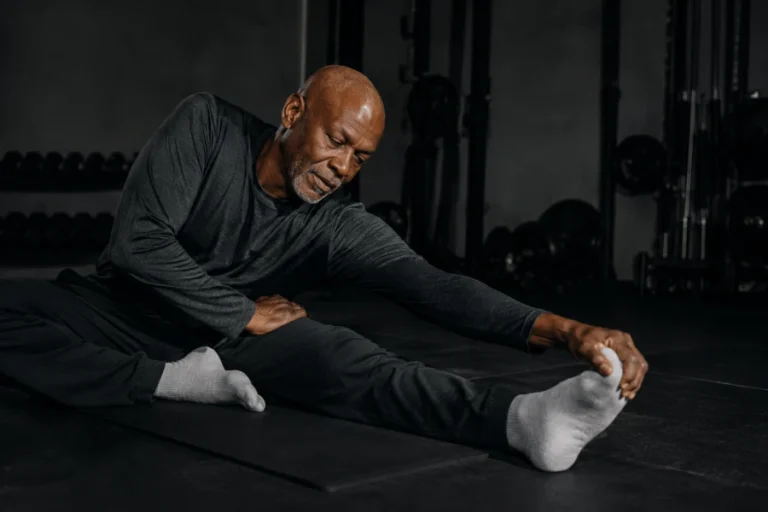
The ideal routine is the one that fits the environment where training actually ends. At a busy gym, you may have only a small corner and several minutes. At home, you might prefer a longer floor-based sequence after showering. Outdoor workouts may call for standing movements before you travel home. Prepare for the setting rather than relying on perfect conditions. Save a short version for rushed days and a longer version for spacious ones. Both versions count. This flexible structure prevents all-or-nothing thinking. It also allows the habit to survive schedule changes. A routine that can shrink without disappearing becomes far more dependable than one that requires the same duration every time.
Post-workout stretching can become more than a physical add-on. It creates a boundary between effort and the next part of the day. During those minutes, you can notice energy, mood, and areas of tension that training brought forward. That awareness may influence how you plan tomorrow’s session or how much rest you need. A simple recovery journal can capture a few observations without turning the process into detailed analysis. Write one sentence about what felt good and one about what needs attention. This reflection builds continuity between workouts. It also encourages decisions based on patterns rather than on a single unusually good or difficult day.
Personalization begins with permission to change the plan. Your range may differ from one side to the other. A movement that feels excellent after cycling may feel unnecessary after swimming. Props can reduce strain and make floor positions more accessible. Hold times can remain brief if longer stretches create discomfort. Breathing should stay steady, and joints should feel supported rather than compressed. If you are recovering from injury, surgery, or persistent pain, use guidance from a qualified professional. The purpose is not to copy a universal sequence. It is to build a reliable ending that respects your body, your training, and your current capacity. Useful routines evolve as those factors change.
Tomorrow feels easier when today ends with attention instead of urgency. Start by downshifting, then choose a small number of relevant movements. Keep the range comfortable and let breathing guide the pace. Adapt the sequence to the workout, the setting, and the time available. On rushed days, complete the short version rather than skipping everything. On spacious days, explore a little longer without forcing. Over several weeks, notice which movements consistently help you feel settled. Keep those and replace the rest. A thoughtful ending does not guarantee a soreness-free morning, but it can make recovery feel more organized, responsive, and connected to the training process.



Leave a comment